
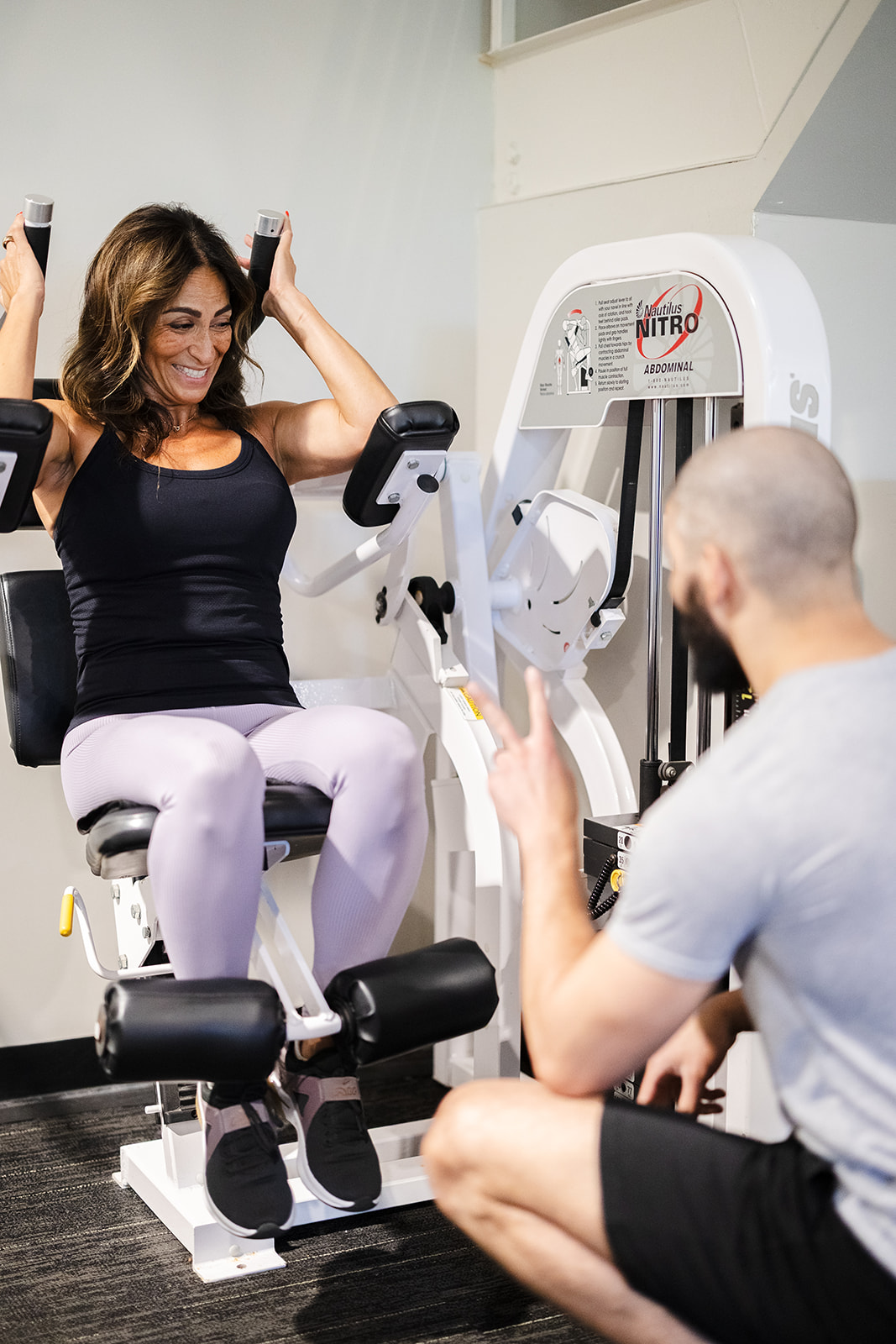
A recent comprehensive review titled “Global Consensus on Optimal Exercise Recommendations for Enhancing Healthy Longevity in Older Adults” has been published in The Journal of Nutrition, Health & Aging.This extensive 58-page document consolidates evidence-based guidelines from leading international experts, aiming to integrate physical activity into health promotion, disease prevention, and management strategies for older adults.
The paper emphasizes the importance of personalized exercise prescriptions (a staple at TRF), taking into account an individual’s health status, physical abilities, and specific goals. It highlights that progressive overload is essential for continued strength gains and functional independence in older adults. Additionally, the consensus stresses the synergistic benefits of combining resistance training with aerobic exercise, such as walking or cycling, to improve cardiovascular health.
The study highlights that regular exercise not only strengthens the body but also plays a crucial role in maintaining and improving brain health. Aerobic exercise and resistance training have been linked to neuroprotective effects, including increased brain volume, enhanced neural connectivity, and improved blood flow to the brain. These physiological changes help slow cognitive decline and may reduce the risk of neurodegenerative diseases like Alzheimer’s and dementia.
Finally, the paper addresses positive impact of exercise on mental health, citing reduced symptoms of depression and anxiety in older adults who engage in consistent physical activity. Exercise stimulates the release of endorphins, serotonin, and dopamine, neurotransmitters associated with improved mood, stress relief, and emotional resilience. Strength training, in particular, has been shown to boost self-efficacy and confidence, contributing to greater independence and a higher quality of life.
Take Home Message:
Resistance Training Recommendations:

Every new client receives a Free Introductory Session.
