
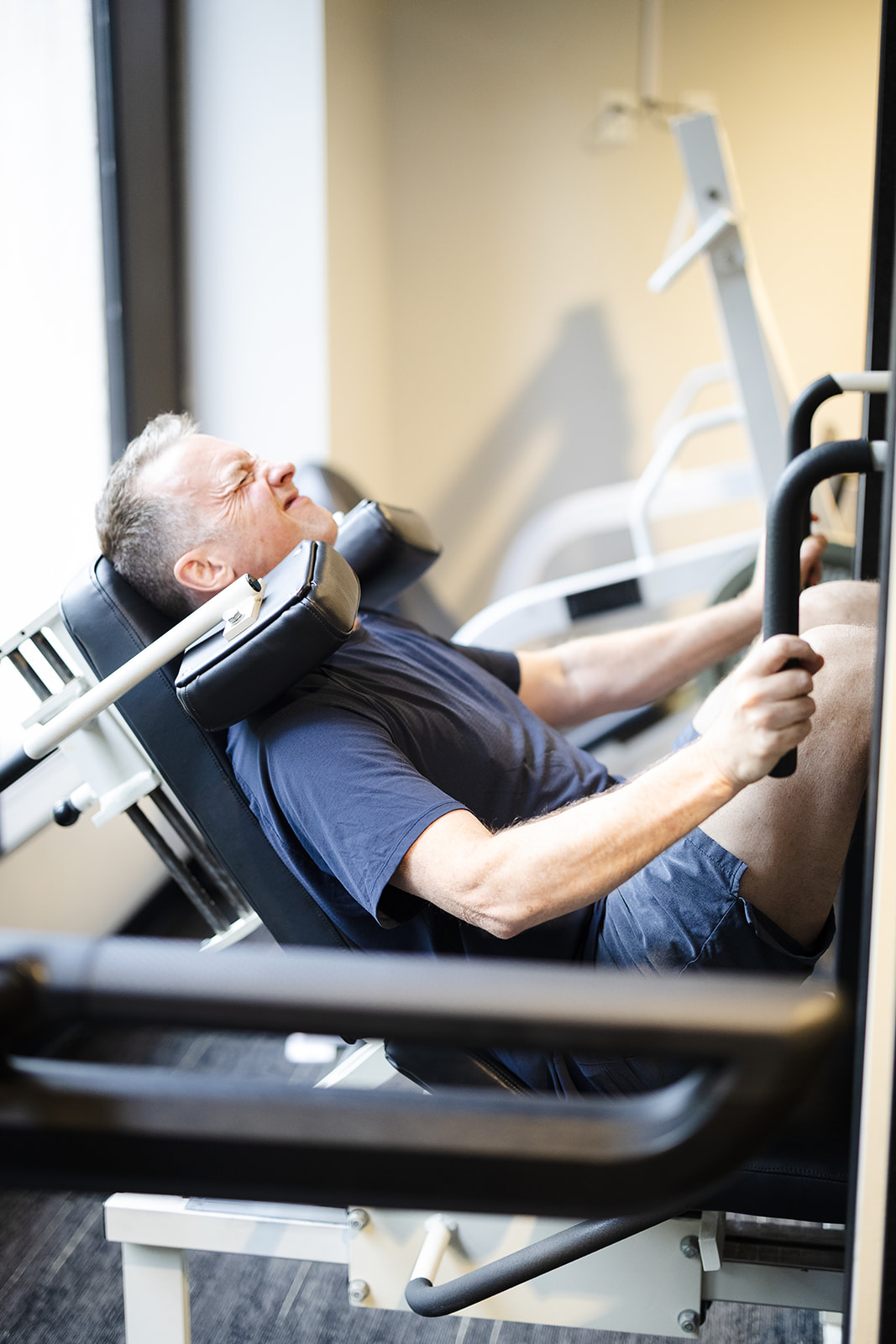
We live in a world where we seek professional advice in almost every facet of our lives. We have our insurance agent, dentist, hairstylist, lawyer, tax preparer, financial advisor, IT specialist, mechanic, chiropractor, handyman, doctor - the list goes on. When it comes to hiring these professional services, we rarely think twice, and rightly so.
However, when it comes to strength training, we often hesitate to make the investment, assuming we can achieve the desired results on our own. Occasionally, we set aside this reluctance and hire an exercise professional, but with caveats like, “I just want to learn how to do this on my own,” or “I’m just trying this out for a little while.” Ironically, these same individuals are often the first to acknowledge the complexity of exercise and the difficulties they encounter when attempting to go it alone.
This approach to resistance exercise has several pitfalls:
However, the biggest issue is the absence of proper supervision.
Research consistently shows that the benefits of resistance exercise significantly increase with greater supervision.
A 2017 study published in BioMed Research International compared supervised resistance exercise (working with an exercise professional) to unsupervised resistance exercise (working out alone). The study focused on older adults participating in a progressive, high-effort resistance program over six months. The findings were stark:
Furthermore, a 2024 study examining the same topic looked at three different study groups:
The results were very telling:
In both studies, the researchers noted that the difference came down to effort and accountability. Without supervision, we simply don’t work as hard.
Recent research has further explored the relationship between supervision ratios (e.g., 1:1 vs. 3:1) and training outcomes. The evidence is clear: as the ratio of supervision improves, so do the benefits. A lower trainee-to-trainer ratio allows for more personalized coaching, leading to higher effort levels and better results.
When it comes to resistance exercise, investing in proper supervision is not just a luxury, it’s a necessity for achieving real, sustainable results.

Every new client receives a Free Introductory Session.
