
I haven’t been in a commercial fitness facility in ~5 years, and as a result have distanced myself from what most people are doing in terms of exercise. I was recently invited by a client of ours to take a spin class that she instructs at one of (if not the) most luxurious health clubs in the country, Lifetime Fitness - Southdale. I tend to be an essentialist when it comes to exercise (focusing almost exclusively on strength training), so this was a little out of my comfort zone, but it was one hell of a class and experience. If you are a Lifetime member I would highly recommend taking Gerry Haeger’s class! After the class, I made my way to the weight training floor for a strength workout (my first solo workout since we hired our first trainer), and during my workout I was immediately reminded of the following:
1. Better supervision begets better effort, better effort begets better results. Period.
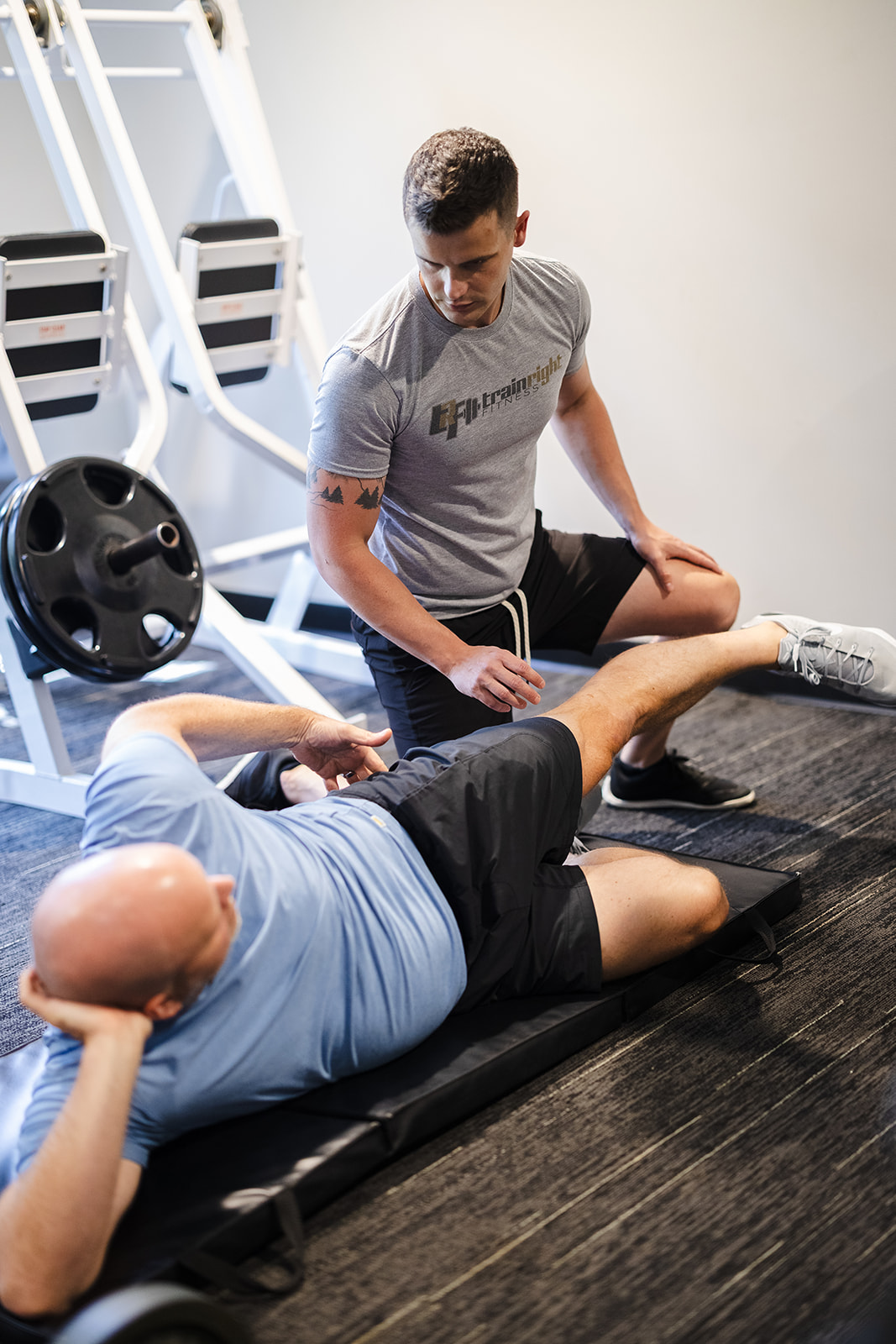
During my workout at Lifetime, I performed a high volume (16 exercise) workout. I trained to failure and worked as hard as I possibly could on each exercise and had limited rest between exercises. But despite my best efforts, I knew that there was something left in the tank, something I couldn’t quite tap into or voluntarily recruit on my own. That something is known as intensity, an ability to apply maximum effort to the task at hand. When we are supervised (even minimally), there is a direct correlation to our effort level. So albeit, my workout was fun (novelty of new equipment, beautiful facility, great atmosphere), my benefits were simply not the same as if it were supervised. 2. Many personal trainers are doing their clients a disservice Friday afternoon is a very popular time for the fitness industry, so I had the opportunity to witness many members working with their trainers. Unfortunately, the vast majority of their workouts resembled an elementary school playground at recess as opposed to productive exercise. The definition of exercise is “physical activity, designed to IMPROVE our HEALTH (the state of being free from illness or injury) and FITNESS (the condition of being physically fit and healthy). Unfortunately, the vast majority of exercise prescribed by practitioners aims to improve our fitness while compromising our health. Here are a few examples:
3. Very few people perform strength trainingThe evidence on the importance of strength training and an essential component to our health and longevity continues to compile. When it comes to an all encompassing “magic pill,” strength training is about as close as it gets. Yet the vast majority of people still do not partake. As of 2020, about ⅓ of the US population (18 and older) met the physical activity guidelines for muscle strengthening, with the majority of that being in the 18-24 years old category (arguably the category that needs it the least). This is a problem as it is evidence that we have convinced people to simply be more active and not perform meaningful exercise.The bottom line is that exercise is critically important to our health and longevity. By definition, exercise must improve our health AND fitness. It cannot be designed (or practiced) such that it improves one while compromising the other. If this is the case, by definition it is not exercise. What I learned from my observations at Lifetime is that, unfortunately, far too many people are performing physical activity, not exercise.

Every new client receives a Free Introductory Session.
